What “No One Tells You” About AI Agents: Challenging the Ways Saskatchewan Businesses Operate
Artificial Intelligence (AI) agents are rapidly transforming business operations worldwide. However, many Saskatchewan businesses remain unaware of the profound changes these technologies can bring. This article delves into the lesser-known aspects of AI agents and their potential to revolutionize local enterprises.
The Real Truth About AI Adoption in Saskatchewan
While AI adoption is accelerating globally, Saskatchewan’s businesses are adopting AI at a slower pace. As of mid-2025, only 12.2% of Canadian businesses reported using AI to produce goods or deliver services, doubling from 6.1% in the same period of 2024. Industries such as information and cultural sectors (35.6%), professional, scientific, and technical services (31.7%), and finance and insurance (30.6%) are leading this adoption. [1]
Despite this growth, many local businesses remain hesitant. Common barriers include perceived high costs, lack of technical expertise, and uncertainty about return on investment. However, these challenges are often based on misconceptions. For instance, AI solutions have become more accessible and cost-effective, even for small and medium-sized enterprises.
What Industry Professionals Know About AI Agents
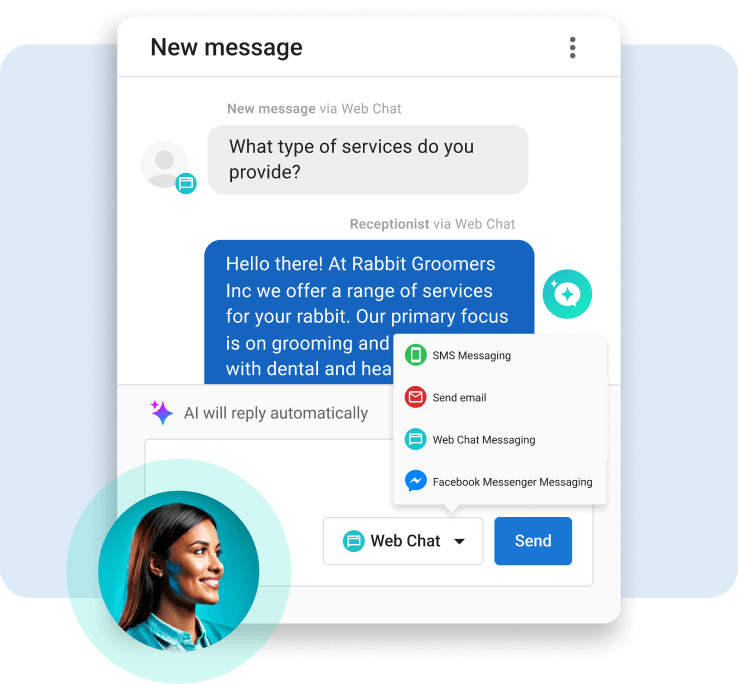
Industry experts consistently find that AI agents can significantly enhance operational efficiency. These intelligent systems can automate routine tasks, analyze vast datasets for insights, and improve customer interactions. For example, AI-powered chatbots can handle customer inquiries 24/7, reducing response times and increasing satisfaction.
Moreover, AI agents are not limited to customer service. They can assist in inventory management, predictive maintenance, and even strategic decision-making by providing data-driven recommendations. The versatility of AI agents makes them valuable assets across various business functions.
Why Most Saskatchewan Clients Get This Wrong
A common misconception among Saskatchewan businesses is that AI implementation is a complex and costly endeavor suitable only for large corporations. This belief leads to missed opportunities for growth and efficiency. In reality, many AI solutions are scalable and can be tailored to the specific needs of smaller businesses.
For instance, a Saskatoon-based retail company implemented an AI lead capture solution, resulting in a 30% increase in lead conversion rates within six months. Another service provider integrated an AI-powered customer experience platform, achieving a 40% reduction in response times and a 25% increase in customer satisfaction scores. [1]
The Professional’s Guide to Implementing AI Agents
Implementing AI agents involves several key steps:
- Identify Business Needs: Determine which processes can benefit most from automation or enhanced data analysis.
- Choose the Right AI Solution: Select AI tools that align with your business objectives and are compatible with existing systems.
- Develop a Deployment Plan: Outline the integration process, including timelines, resource allocation, and training requirements.
- Monitor and Optimize: Continuously assess the performance of AI agents and make necessary adjustments to maximize benefits.
Professional standards in AI implementation recommend starting with pilot projects to evaluate effectiveness before full-scale deployment. This approach allows businesses to measure impact and make informed decisions.
What Recent Industry Data Reveals About AI Agents
Recent industry data shows a significant uptick in AI adoption among Canadian businesses. According to a report by the Canadian Chamber of Commerce’s Business Data Lab (BDL), four sectors led AI adoption between Q2 2024 and Q2 2025: professional services; finance and insurance; information and culture; and health and social assistance. Each increased AI use by more than 10 percentage points, with some rising 15 to 20%. [2]
These statistics highlight the growing recognition of AI’s value across various industries. Businesses that delay adoption risk falling behind competitors who leverage AI for enhanced efficiency and innovation.
Local Expert FAQ
Q: Are AI agents suitable for small businesses in Saskatchewan?
A: Yes, AI agents are scalable and can be customized to meet the needs of small businesses. Many AI solutions are cost-effective and can provide significant returns on investment.
Q: How can I ensure a smooth integration of AI agents into my existing systems?
A: Industry professionals recommend conducting a thorough assessment of current processes and selecting AI solutions that are compatible with existing infrastructure. Engaging with experienced AI service providers can also facilitate seamless integration.
Q: What are the potential risks of implementing AI agents?
A: Potential risks include data privacy concerns, reliance on technology, and the need for ongoing maintenance. However, these risks can be mitigated through proper planning, adherence to regulations, and continuous monitoring.
Key Takeaways
- AI adoption in Saskatchewan is growing but still lags behind national averages.
- AI agents offer versatile solutions that can enhance various business functions.
- Misconceptions about AI implementation can lead to missed opportunities.
- Following a structured approach can facilitate successful AI integration.
- Staying informed about industry trends is crucial for maintaining competitiveness.
While we aim for accuracy, please verify details for your specific situation. For personalized advice and to discuss how these insights apply to your specific needs, we’d love to chat with you directly.
Embracing AI agents can transform your business operations, leading to increased efficiency and competitiveness. To explore how AI can benefit your business, consider reaching out to local experts or scheduling a consultation with Sica Marketing.