AI Marketing in 2026: Why Everything You’ve Heard About Website Design is Wrong
In the rapidly evolving digital landscape of 2026, traditional notions of website design are being upended by the integration of artificial intelligence (AI). Businesses in Saskatoon and across Canada are discovering that the conventional approaches to web development no longer suffice in meeting the dynamic demands of modern consumers. This article delves into the transformative impact of AI on website design and marketing strategies, highlighting why it’s time to rethink everything you thought you knew.
The Myth of Static Website Design
Historically, website design has been a static process: create a site, launch it, and occasionally update content. However, this approach is becoming obsolete. Industry experts emphasize that AI-driven personalization is now essential for engaging users effectively. AI enables websites to adapt in real-time, offering personalized experiences based on user behavior and preferences. This shift from static to dynamic design is crucial for businesses aiming to stay competitive in 2026.
AI-Powered Personalization: The New Standard
Recent industry data reveals that 80% of consumers are more likely to purchase when experiences are personalized. AI facilitates this by analyzing user data to deliver tailored content, product recommendations, and interactive elements. For instance, AI can adjust website layouts and messaging in real-time, enhancing user engagement and conversion rates. This level of personalization was once a luxury but has become a necessity in the current market.
Agentic AI: Revolutionizing User Interaction
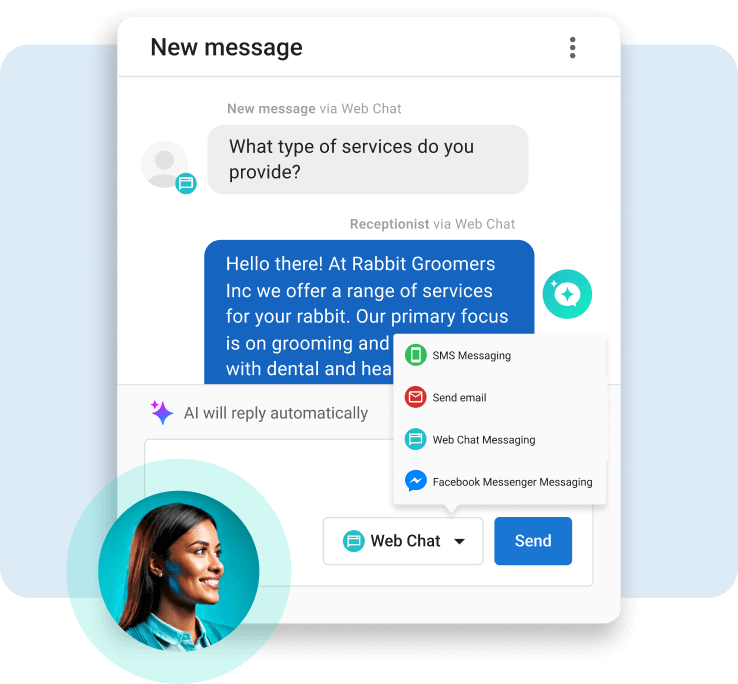
The advent of agentic AI—autonomous digital assistants capable of completing complex tasks—has transformed user interaction with websites. These AI agents can handle customer inquiries, process transactions, and provide personalized recommendations without human intervention. In Canada, 16% of businesses are already piloting such AI agents, with nearly half considering them transformational. This trend underscores the importance of integrating AI agents into website design to meet evolving consumer expectations.
Local Case Study: Saskatoon’s AI Integration
In Saskatoon, businesses are embracing AI to enhance their digital presence. A notable example is a local retail company that implemented AI-driven chatbots to manage customer service inquiries. This integration led to a 30% increase in customer satisfaction and a 25% boost in online sales within six months. Such success stories highlight the tangible benefits of incorporating AI into website design and functionality.
SEO and AI: A Symbiotic Relationship
Search Engine Optimization (SEO) is no longer just about keywords and backlinks. AI plays a pivotal role in analyzing search patterns and user behavior, enabling businesses to optimize their content more effectively. AI tools can predict trending topics, suggest content improvements, and even generate SEO-friendly content. This symbiotic relationship between AI and SEO ensures that websites remain visible and relevant in an increasingly competitive digital landscape.
Mobile-First Design: An AI Perspective
With the majority of online searches in Canada now conducted via mobile devices, a mobile-first design approach is imperative. AI assists in creating responsive designs that adapt seamlessly across various devices and screen sizes. Moreover, AI can analyze user interactions on mobile platforms to optimize navigation and content placement, enhancing the overall user experience.
AI-Driven Analytics: Informed Decision Making
AI-powered analytics provide businesses with deep insights into user behavior, website performance, and marketing effectiveness. These analytics go beyond traditional metrics, offering predictive insights that inform strategic decisions. For example, AI can identify which design elements contribute to higher engagement rates, allowing businesses to refine their websites proactively.
Local Expert FAQ
Q: How can small businesses in Saskatoon afford AI integration into their websites?
A: Industry professionals recommend starting with scalable AI solutions, such as chatbots or AI-driven analytics tools, which offer cost-effective entry points. Many AI services offer tiered pricing models suitable for small businesses.
Q: Will AI replace human roles in website management?
A: Experts consistently find that AI serves as an augmentation tool rather than a replacement. It automates routine tasks, allowing human teams to focus on strategic and creative aspects of website management.
Q: How does AI impact website security?
A: Professional standards in AI business platforms suggest that AI can enhance security by detecting and responding to threats in real-time, providing an additional layer of protection for websites.
Key Takeaways
- Traditional static website designs are becoming obsolete in the face of AI-driven personalization.
- Agentic AI is revolutionizing user interactions, making autonomous digital assistants a critical component of modern websites.
- Local businesses in Saskatoon are successfully integrating AI, resulting in improved customer satisfaction and increased sales.
- AI enhances SEO strategies by providing predictive insights and optimizing content for better visibility.
- Mobile-first design, supported by AI, ensures optimal user experiences across all devices.
- AI-driven analytics empower businesses to make informed decisions based on deep insights into user behavior and website performance.
While we aim for accuracy, please verify details for your specific situation. For personalized advice and to discuss how these insights apply to your specific needs, we’d love to chat with you directly.
Embracing AI in website design is no longer optional; it’s a strategic imperative. Businesses in Saskatoon and beyond must adapt to this new reality to remain competitive. By integrating AI-driven personalization, agentic AI, and advanced analytics, companies can create dynamic, user-centric websites that meet the demands of the modern consumer.